

The evolution of casinos from ancient gambling houses to modern gaming hubs
Origins of Gambling and Early Casinos
The concept of gambling dates back thousands of years, with evidence suggesting that ancient civilizations, such as the Chinese and Egyptians, engaged in various games of chance. These early forms of gambling were often tied to rituals or religious practices, using dice, bones, or rudimentary cards. As societies evolved, so did the venues for these games, transitioning from informal gatherings in homes or public squares to designated spaces for betting and entertainment. For instance, players can find great excitement in the aviator game, highlighting how these venues have continued to adapt to modern preferences.
In ancient Rome, the rise of betting games led to the establishment of dedicated gambling houses known as “tabernae,” where people could gather to play games of chance. These spaces marked a significant shift, as they provided a more organized environment for gambling. The Romans introduced betting on gladiatorial contests and chariot races, further intertwining gambling with public entertainment and culture.
As trade routes expanded, so did the popularity of gambling. The spread of these ancient games fostered a culture where betting was not only socially acceptable but also a lucrative pastime. This laid the groundwork for what would eventually evolve into the modern casino. The foundations for casino culture were being established, setting the stage for the grandeur and sophistication that would follow in later centuries.
The Renaissance and the Birth of Modern Gaming
The Renaissance period marked a pivotal moment in the history of gambling, characterized by an explosion of creativity and a newfound appreciation for arts and sciences. This cultural movement also saw the emergence of gambling as a more formalized activity, especially in Italy. The first true casino, the Casino di Venezia, opened in Venice in 1638, offering a structured environment where patrons could enjoy card games and other gambling activities.
During this period, the invention of playing cards became more widespread, and various games like baccarat and poker emerged, becoming favorites among gamblers. This expansion of gaming options contributed to the evolution of casinos into places that catered to a broader audience. The Venetian casino was not just a gambling house; it was a social hub where the elite gathered to indulge in luxury and entertainment, establishing a model that would influence casinos worldwide.
As gambling spread across Europe, casinos started to take on different characteristics based on regional preferences and regulations. In France, the establishment of the first public gaming houses in the 18th century transformed the gambling landscape, introducing sophisticated games like roulette. The allure of these establishments attracted wealthy patrons, further cementing the casino’s status as a premier entertainment destination.
The Golden Age of Casinos in the 20th Century
The early to mid-20th century is often referred to as the golden age of casinos, particularly with the rise of Las Vegas. Originally a small desert town, Las Vegas transformed into the world’s gambling capital following the legalization of casino gambling in Nevada in 1931. This pivotal change attracted investors and entrepreneurs who envisioned grand casinos that offered not only gaming but also luxurious accommodations, fine dining, and extravagant shows.
By the 1960s, iconic establishments like the Stardust and the Sands opened their doors, showcasing lavish designs and celebrity performances. The glitz and glamour of Las Vegas casinos redefined the gambling experience, making it accessible to the masses. This era popularized the concept of themed casinos, leading to the creation of imaginative spaces that mirrored various cultures and histories, such as the Luxor and the Venetian.
Additionally, the rise of online gambling in the late 1990s marked a significant turning point in the casino industry. Players could now access a wide array of games from the comfort of their homes, introducing a new generation to the thrill of gambling. The combination of physical and online casinos significantly expanded the industry’s reach and reshaped how individuals engaged with gaming.
Modern Casinos: Technology and Innovation
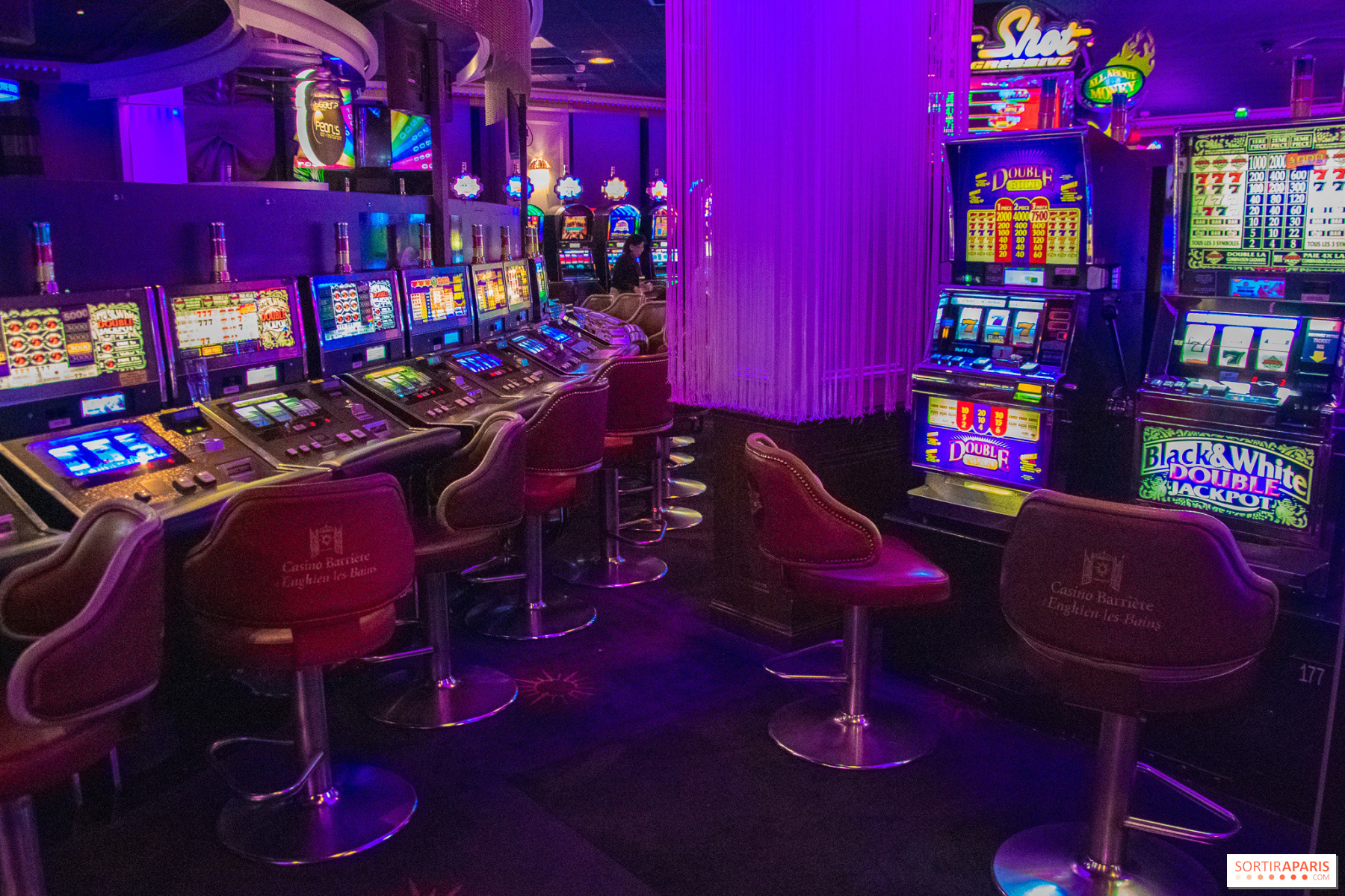
Today’s casinos are a blend of traditional gaming and cutting-edge technology. The rise of digital platforms has revolutionized the industry, offering interactive gaming experiences that go beyond traditional slot machines and table games. Innovations like virtual reality gaming and live dealer options have created immersive environments, appealing to tech-savvy gamblers who seek more than just the thrill of chance.
Furthermore, casinos now focus on customer experience, leveraging data analytics to personalize offerings. By analyzing player behavior, casinos can tailor promotions and rewards, ensuring a more engaging experience. This strategic approach enhances customer loyalty and attracts new players, creating a competitive edge in a crowded market.
Moreover, regulatory changes in various regions have paved the way for expanded gaming options, including sports betting and eSports. As gambling becomes more integrated into popular culture, modern casinos are evolving into comprehensive entertainment hubs, featuring concerts, fine dining, and shopping, transforming the way we perceive gambling.

The Future of Gaming Hubs
The future of casinos appears bright, with a continued focus on innovation and customer engagement. As technology advances, we can expect further developments in mobile gaming and augmented reality experiences that will attract a new generation of players. These innovations will likely drive the industry toward a more integrated approach, merging the excitement of physical casinos with the convenience of digital platforms.
Additionally, responsible gambling initiatives are becoming a focal point for modern casinos. As the industry evolves, there is a growing emphasis on promoting safe gambling practices and providing resources for those who may be at risk. This focus not only enhances the reputation of casinos but also ensures a sustainable future for the industry.
As we look ahead, the casino landscape will likely continue to transform, adapting to the changing preferences of consumers. With the rise of global connectivity and the expansion of online gaming, the casino experience will become even more versatile and accessible, shaping the future of entertainment in profound ways.